Remedies Available to Buyers for Defective Property
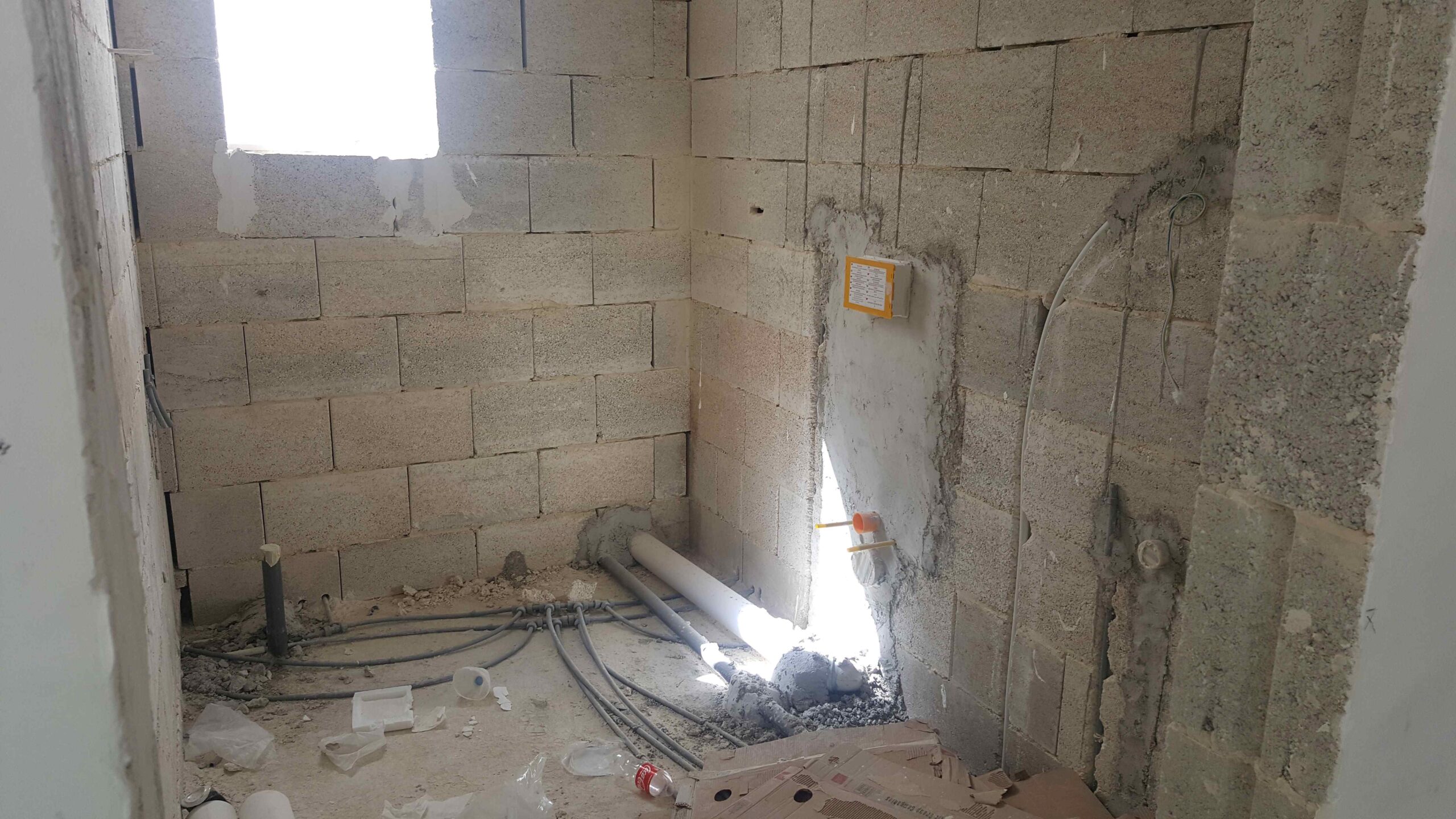
What remedies can a buyer pursue if a purchased property does not meet the expected standards, such as subpar construction quality?
In a contract of sale, and in terms of Article 1378 of the Civil Code, there are two main obligations of the seller: Firstly, to deliver the object, and secondly to warrant the things sold. Delivery of immovable property takes place ipso jure, that is, on the publication of the contract of sale. There is also the material delivery of the immovable, which is usually symbolized by the giving of the keys.
Warranty of Quality and Latent Defects in Property Sales
The object of sale must be delivered in the same state in which it was at the time of the sale. In this regard, one can make mention of two warranties against the seller. Firstly, there is the warrant of quality, in terms of Article 1390 of the Civil Code, which provides that if the thing the seller offers to deliver is not of the promised quality, the buyer can either reject the thing and demand damages or else accept the thing with a diminution in price. Therefore, this warranty can be made use of by the buyer when the quality of the property does not meet the standard as assured in the contract of sale. Moreover, in terms of Article 1407, the period within which the buyer can bring an action for damages or ask for a diminution in price is that of two years. Nonetheless, as confirmed in the judgement of Philip Degorgio vs Kenneth Cole, Article 1390 offers two separate remedies to the buyer: either to return the property back and claim damages or else to keep the property with a reduction in price. However, these two actions cannot be exercised simultaneously.
The second remedy available to the buyer is to make use of the warranty against latent defects, as encapsulated in Article 1424 of the Civil Code. In terms of this article, the seller is bound to warrant the thing sold against any latent defects which render the object unfit for the use it was intended, or which diminish its value to such an extent that the buyer would not have bought it, or would have tendered a smaller price, if he had been aware of them. The buyer may, in such case, either dissolve the contract or else demand the part of the price to be repaid back to him.
Actions for Latent Defects: Actio Redhibitoria and Actio Aestimatoria
The seller’s knowledge of the defect is irrelevant, as the obligation of warranty against latent defects does not derive from bad faith. Nonetheless, the theory followed by our courts is that of Baudry-Lacantinerie who believed that the buyer should firstly engage the services of an expert to examine the object and assess whether the thing one is intending to buy is defective or not, and this is if one is unable to conduct such examination himself. The applicability of this theory can be seen in the case of Guillaumier vs Zammit, where the court did not apply the warranty since the plaintiff failed to engage an architect to inspect the property prior to buying it.
Moreover, in terms of Article 1425 of the Civil Code, the defect itself must be hidden. Therefore, the seller is not answerable for any apparent defects which the buyer might have himself discovered. Here, the standard adopted by our courts, in assessing whether or not a defect was apparent to the buyer, is the standard of ordinary diligence and attention. Hence, the defect must be objectively hidden and subjectively unknown to the buyer. The vice must also exist at the time of the sale, rather than on delivery.
Legal Actions for Latent Defects
In such cases of latent defects, in terms of Article 1427 of the Civil Code, the buyer may institute either the Actio Redhibitoria or the Actio Aestimatoria.
Actio Redhibitoria: The buyer would have the thing restored to him and have the price repaid.
Actio Aestimatoria: The buyer would retain the thing but would have part of the price repaid to him, also known as the quanto minoris.
These two actions cannot be instituted simultaneously, and are mutually exclusive. However, if the thing bought is affected by several latent defects, the Actio Aestimatoria may be instituted as many times as there are defects. Conversely, if the buyer opts for the Actio Redhibitoria, then the buyer must return the thing to the seller, who must then return the price. The restitution includes the fruits, and the price includes the interest.
Seller’s Liability for Known Defects and Court Limitations
Then, in terms of Article 1429 of the Civil Code, if the defects are known to the seller, the seller is not only bound to pay the price received but is also liable in damages.
Time Limits for Legal Actions
The time within which to bring an action in court is one year. As confirmed in the judgment of AC and his wife BC vs Central Home Style Limited, the peremptory period of one year starts to run from when the seller could have become aware of the defect, not from the date of the defect’s existence. Hence, the one-year period begins from the date of purchase or when it was possible for the buyer to discover the latent defect with ordinary care, attention, and diligence.
Our team of property law experts at Sciberras Advocates in Malta is here to assist with any legal issues you may encounter. Feel free to reach out to us at [email protected] for professional support.
This article is for information purposes only and should not be construed as legal advice.
Article and research done by Ms Caitlin Turner, LL.B. (Hons) (Melit.), currently reading a Master of Advocacy at University of Malta.
Sciberras Advocates founded by Dr Adrian Sciberras, is a law firm based in Malta. The firm prides itself to be multi-disciplinary, innovative and flexible in order to meet the changing times and any challenges in the local and international legal scenario. No matter what private or corporate complex demands are called for, Sciberras Advocates offers practical and cost-effective legal solutions to achieve your desired results. You may reach Sciberras Advocates by phone on +35627795222 or via email on [email protected].
Article originally published here: https://sciberras.legal/2025/01/23/remedies-when-a-purchased-property-has-poor-construction-quality/