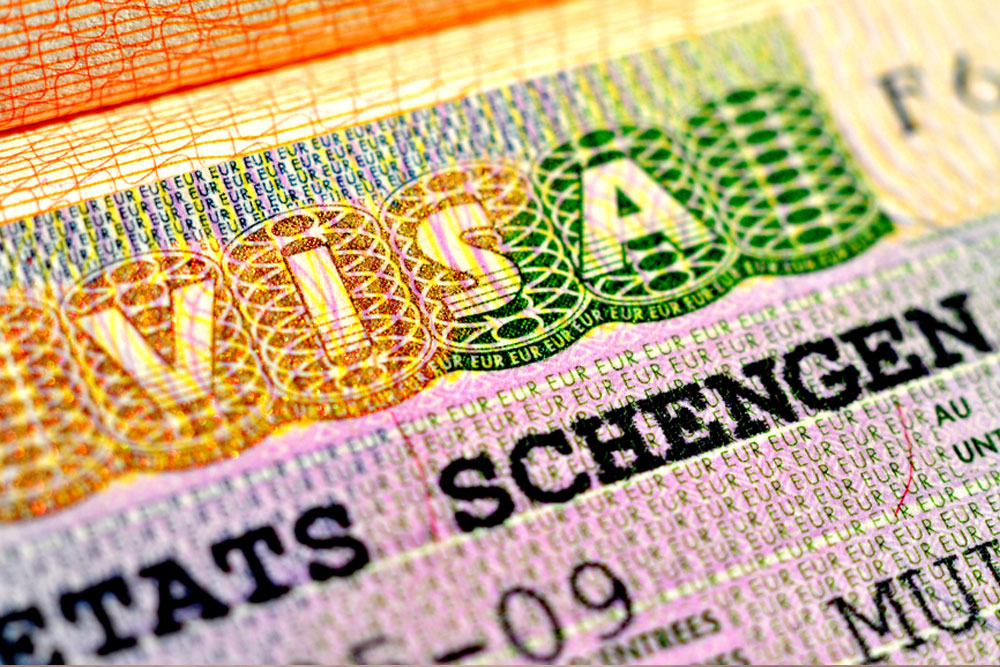
Europe is changing the way visitors enter.
For years, citizens of countries such as Australia, the United States, Canada, the United Kingdom, New Zealand and many others have enjoyed relatively simple visa-free travel throughout the Schengen Area.
That is about to change.
The European Union is preparing to introduce the European Travel Information and Authorisation System (ETIAS) – a new electronic travel authorisation that visa-exempt travellers will need to obtain before travelling to most European countries. [1]
What is ETIAS?
Think of ETIAS as Europe’s equivalent of the U.S. ESTA registration.
Before travelling, eligible visitors will be required to:
- Complete an online application
- Pay a government application fee
- Receive travel authorisation before departure
- Have that authorisation linked electronically to their passport
While most applications are expected to be processed quickly, some may require additional review or documentation before approval is granted. ETIAS is designed as a security screening system rather than a visa, but it still adds another administrative step to international travel.
A Small Change – Until You Travel Frequently
For an occasional holiday, an online application may seem like a minor inconvenience.
However, for business owners, investors, executives, consultants and families who travel regularly to Europe, ETIAS becomes one more requirement to remember before every trip.
It also reflects a broader global trend.
Countries around the world are increasingly introducing electronic travel authorisations, digital border systems and advance passenger screening. International travel is becoming more regulated – not less.
How Malta Permanent Residence Changes the Picture
Individuals who hold Malta Permanent Residence are in a very different position.
A residence permit issued by Malta allows lawful residence in Malta and provides the legal status associated with a Schengen residence permit. Holders of a residence permit issued by a Schengen country are generally exempt from obtaining an ETIAS travel authorisation when travelling within the Schengen Area because they are no longer travelling as visa-exempt visitors.
Instead of applying for travel authorisation before future trips, qualifying residents already possess recognised immigration status within the Schengen framework.
For many internationally mobile families, that provides greater certainty and significantly reduces travel administration.
Maltese Citizenship Goes Even Further
For those who ultimately become Maltese citizens, the advantages are even greater.
As citizens of an EU Member State, Maltese passport holders travel throughout the European Union and Schengen Area without ETIAS requirements, visa applications or visitor stay limitations.
Rather than requesting permission to visit Europe each time, they enjoy the rights associated with European citizenship.
Looking Beyond Today’s Travel Rules
ETIAS is only one example of how international mobility continues to evolve.
For globally active individuals and families, obtaining long-term residence – or ultimately citizenship – in a stable European jurisdiction is increasingly about more than investment planning. It is about reducing future friction, preserving mobility and creating greater flexibility for business, family and lifestyle.
The travel landscape is changing. Those who plan ahead are often the ones who benefit the most.
If you are considering Malta Permanent Residence or exploring Malta citizenship (the EU passport), we’d be pleased to discuss which option best aligns with your family’s long-term international mobility goals.
Contact us to discuss how best to prepare.
Source: https://travel-europe.europa.eu/etias/about-etias/who-should-apply#who-needs-an-etias-travel-authorisation